The Mad Story of Bombay’s Satta Matka: Numbers, Pots, and Dreams
by ago0
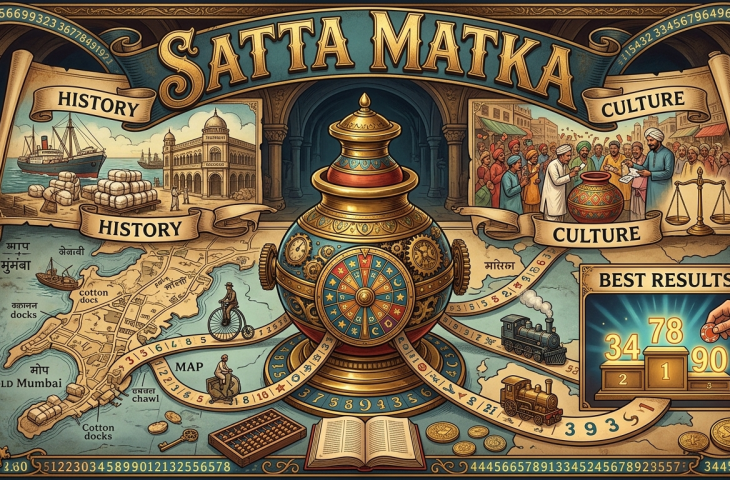
If you ever find yourself chilling with the older crowd in Mumbai—the ones who saw the city before it was all glass, steel, and fancy sea links—ask them about Satta Matka. Trust me, they won’t treat it like some taboo crime or a dark underground secret. For them, it was just a daily ritual, as predictable as catching the 8:15 local from Borivali or grabbing a steaming Vada Pav from a roadside stall. Back then, it wasn’t tucked away in the shadows of the internet. You’d see guys huddled in tiny, sweat-soaked gullies, arguing over numbers with more heat than a political debate. Everyone was chasing that one “lucky hit” that would change their life by dinner time.
But the real kicker that most people forget? It didn’t even start with numbers or earthen pots. It started with the global economy.
The Cotton Connection Imagine this: in the 1950s, people weren’t betting on random guesses. They were actually betting on the opening and closing rates of cotton sent via teleprinters all the way from the New York Cotton Exchange. Yeah, it sounds like a boring Wall Street desk job, doesn’t it? But on the dusty streets of Bombay, it was pure, unadulterated adrenaline. It was a bridge between a massive US market and the local dreams of a mill worker. Then, in ’61, when New York suddenly stopped sending those rates, the game should’ve died right there. Logic says it was over. But the city? It was already hooked. The hunger for that thrill was way too deep to just vanish.
The Local ‘Jugaad’ This is where the legendary “Matka” stepped in. Since the international data vanished, the locals did what they do best—they improvised. They didn’t need New York anymore. Two big names, Kalyanji Bhagat and Ratan Khatri, realized they could just manufacture the luck themselves. They started throwing slips of paper with numbers 0 to 9 into a big earthen pot (the Matka) and pulling them out. Just like that. No fancy tech, no international satellites—just a pot, some hand-written chits, and a whole lot of gut feeling. This made it “the people’s game.” You didn’t need to be a finance genius or a stock market pro; you just needed a hunch and a couple of rupees.
The Golden Era: Jodis and Pannas By the 70s and 80s, it wasn’t just a game anymore; it was the heartbeat of the city’s massive textile mills. During lunch breaks, the only thing people talked about was “Jodis” (pairs) and “Pannas” (three-digit results). It was a social fabric. You’d hear guys swear on their life, “Bhai, today 7 is definitely coming,” based on a dream they had, a license plate they saw, or just a random feeling in their bones. There were even “guessing” charts sold on the streets like newspapers. Bollywood even caught the vibe—that raw, messy mix of quick cash, the smoky dens, and the crazy tension of the draw. It became the ultimate “get rich quick” myth that everyone believed in.
The Reality Check But look, let’s be honest—it wasn’t all sunshine and jackpot wins. For every guy who managed to buy a small flat in Dadar with his winnings, a hundred others lost their last rupee and their dignity. That “one more try” mindset is a dangerous trap, and it wrecked a lot of happy homes. People would bet their grocery money, hoping to double it, only to go home empty-handed. As the money got bigger, the stakes got dangerous. The underworld poked its nose in, the cops started massive raids, and slowly, those open street-side Matka dens had to vanish. The “Matka Kings” eventually saw their empires crumble under the weight of the law.
The Game Today Fast forward to now, in 2026, and the physical Satta Matka are mostly a relic of the past, something you only see in old movies. Everything has moved into the digital shadows—private Telegram groups, shady offshore apps, and complex websites. The name has shifted to things like “Satta King,” and the vibe is totally different—it’s lonely now, just a person and a screen. But the core human instinct? That hasn’t changed one bit. Whether it’s a pot in 1970 or an app in 2026, people are still looking for that shortcut to the top.
In the end, Satta Matka wasn’t just about gambling. It was a mirror of old Bombay itself—restless, ambitious, a bit chaotic, and always, always looking for a way to win big against the odds. It’s a story of how a city takes something global and turns it into something purely local.
Related posts

Entertainment / by - ago
3 Tips to Develop Fitness Habits for Healthy Condo Living
The younger generation has realized the importance of health and have taken to living active, wellness-focused lifestyles. Developing healthy habits can go a long way in helping you stick to…

Entertainment / by - ago
6 Hobbies To Effectively Build Consistency And Routine
Consistency is an important trait that helps build trust and better bonds with friends, reliability, enhances discipline, and so much more. However, this quality can be quite difficult to master…

Entertainment / by - ago
5 Great Switch 2 Games to Play
The Nintendo Switch 2 is the next-generation console released by Nintendo. It features a faster refresh rate, 4K resolution when docked to a TV and magnetic joycons. It allows for…

Entertainment / by - ago
4 Engaging Offline Activities To Do in Your Condo
In today’s day and age where technology is prominent, we rarely take the time to get off our phone and do other activities other than eating, doing chores and sleeping….