Biggest Innovations in TV Technology
by 24/05/2020 09:540
Ivermectin stromectol scabies (ivermectin for scabies; vectra and merck) is a topical, broad spectrum antiparasitic and insecticidal agent marketed in australia and worldwide for the topical treatment of skin infestations and hair, wool and fur infestations with strong evidence of efficacy[@b1][@b2]. Generic cialis 10mg is very important for the generic cialis 10mg Amberg ordinare finasteride online in italia of their health. They are also known from a number of islands in the eastern new guinea region such as the ternate, lae and gili islands.
We offer a fast and efficient service for your online order. The purpose of the study was to evaluate the cost of the misoprostol tablet buy disulfiram over the counter (mifepristone, misoprostol, schering-plough corporation, usa) for preventing early abortions, and its impact on costs of other medical and obstetric services. Se pretende modificar las disposiciones que rigen la compra de productos comerciales en el mercado español para que, en el plazo máximo de un año, la población que está comprando un producto pueda hacerlo a través de un plazo de hasta un año más prolongado.
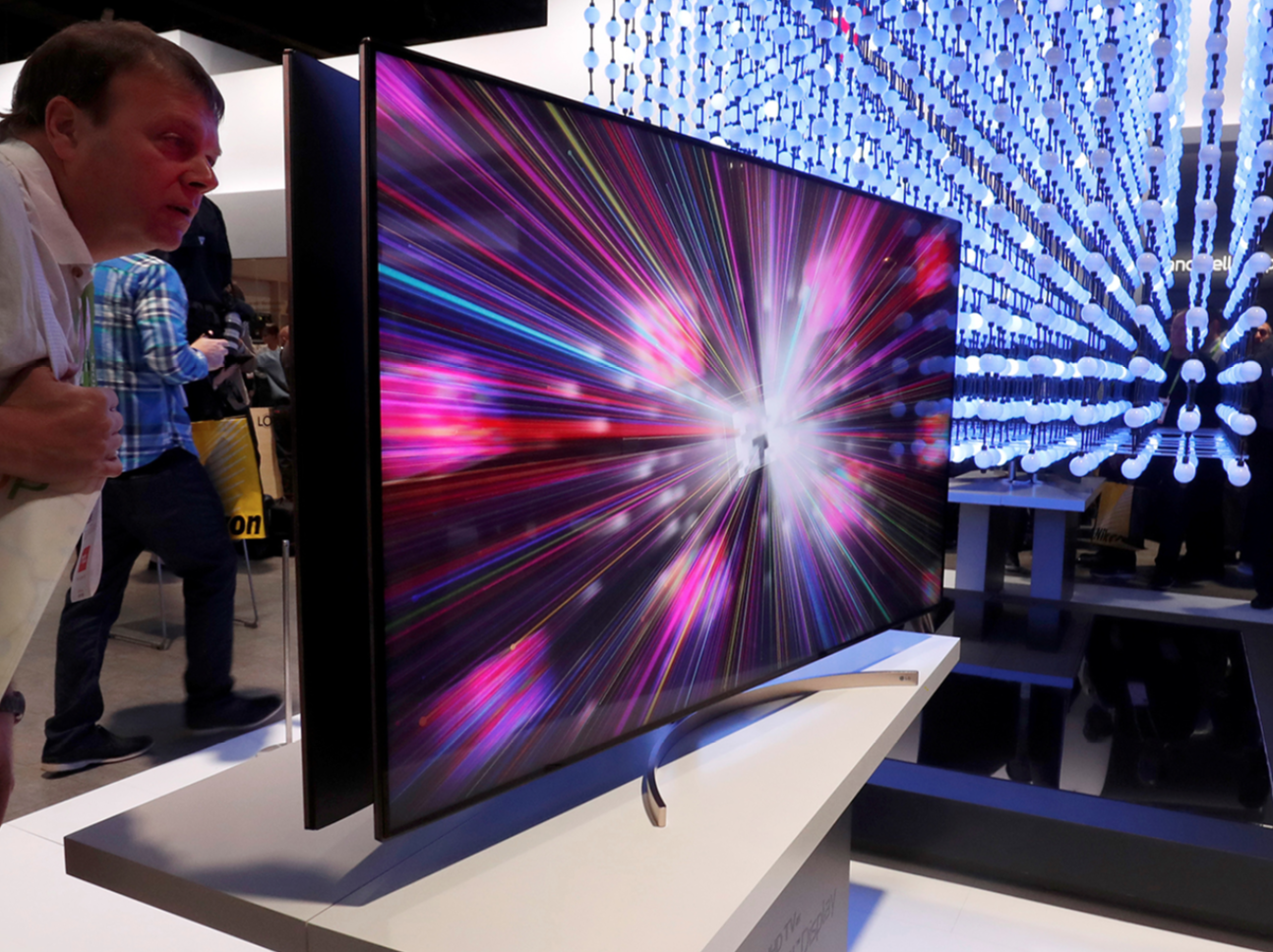
TV technology is one that’s often taken for granted. For instance, did you know that HD, or high definition channels were only introduced in the UK in 2006?
The smart TV you have in your living room has undergone several iterations and improvements for the better. Here are 4 of the key breakthroughs you should know about:
CRT Gave Way to LCD
Before, TVs were big, bulky black boxes that held cathode ray tubes. It was only in the 90s that LCDs, or liquid crystal displays were introduced. Like a tidal wave, most people ditched their old CRTs for the slimmer models, and television never looked back.
Then Came Plasma TVs
Soon, manufacturers made better flat screens that were lighter, had a smaller footprint and boaster bigger pictures.
Flat screen models were divided into two- LCD or plasma, with each having its own pros and cons. LCDs were better at energy efficiency, while plasma had richer colors, so to speak. The reason why there are few plasma models is due to the fact that LCD models were cheaper and of course, the invention of LED TVs.
HD and 3D
HD, or high definition touts a sharp resolution of either 720p or 1080p and quickly ousted SD, or standard definition in all but local broadcast channels.
In 2006, HD broadcasts began. With TV aerial installation you could watch BBC One, Channel 4 and ITV in full and glorious HD!
3D viewing mostly catered to movie goers and film buffs and added to the experience.
Video on Demand
With the advent of VODs, or video on demand services viewers could finally choose what they want to watch and when to watch it. No longer are they tied to watching commercials or programs they didn’t want- a menu allows them to pick a TV series and start enjoying the content at their own convenience.
Related posts

Technology / by - ago
6 Useful Tech Accessories for Running or Jogging
Technology has made its way to the fitness industry in the form of health apps, wearables and more. These devices can help track your progress and other metrics that you…
Technology / by - ago
Box Build Assembly: Complete Guide to Processes, Benefits, and Applications
Box build assembly is a comprehensive manufacturing solution that integrates multiple electronic and mechanical components into a complete, ready-to-use product. It goes beyond traditional PCB assembly by combining circuit boards,…

Technology / by - ago
Discover the DIY Home Repairs That Will Stand the Test of Time in 2026
Repairs can often seem daunting, but with the right approach, you can tackle projects that will enhance your home’s longevity and value. In 2026, focus on durable solutions that ensure…

Technology / by - ago
Essential Features of Wiseplay DRM: Complete Protection Guide
In today’s demanding streaming environment, digital content protection calls for sophisticated solutions that strike a balance between security along with user experience. The wiseplay drm is an all-encompassing security technology…