Camp Quinebarge: How Sleepaway Camp Encourages Lasting Friendships
by ago0
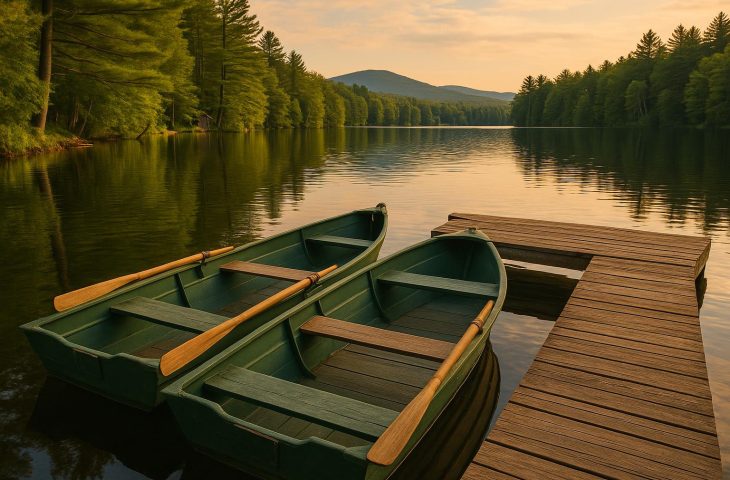
Camp Quinebarge, located in Moultonborough, New Hampshire, has spent decades creating a camp environment centered on friendship, kindness, and personal growth for children and teens. Founded in 1936 and now operated by a new generation of former campers, the organization offers a wide range of activities that encourage campers to spend meaningful time together through shared experiences. Swimming, boating, hiking, arts and crafts, sailing, horseback riding, and camp traditions all contribute to a setting where children regularly interact with peers throughout the day. With accreditation from the American Camp Association and recognition from summercamphub.com as one of the country’s top summer camps, Camp Quinebarge continues to focus on helping young people build confidence, strengthen social connections, and develop respect for others and the natural world.
Before sending a child to sleepaway camp, many parents think about more than activities, schedules, or time outdoors. They also wonder whether their child will settle in, feel included, and find people they enjoy being around away from home. One reason many families value sleepaway camp is that children often come home with new friendships, meaning relationships built through shared daily life rather than brief introductions.
Sleepaway camp, in this case, means an overnight camp where children live on site and take part in daily camp life with the same general group of peers and staff. That arrangement gives them more repeated contact with other children than they usually get through school, sports, or other once or twice-a-week activities. More time with the same people gives friendships more room to form.
Camp also brings children together in different parts of the day. They may eat meals with one group, practice a skill with another, and then see many of the same faces again during swim time, rest time, or an evening activity. That variety helps children get to know one another in more than one setting, which can make early friendship feel more natural.
Cabin life adds a smaller and more personal layer to that process. Campers wake up with the same group, return to the cabin at various times of the day, and settle in there again at night. A child who says little during an activity period may start talking more in the cabin, where the setting often feels calmer and less pressured.
Activities help in a different way. Swimming, boating, arts and crafts, sports, nature activities, and camp-wide games give children something specific to do together, which means there is a lot to talk about. Working on a project, learning a skill, or playing on the same side often gives children an easy path to getting to know each other.
Daily camp life can also reduce some of the distractions that often break up interactions at home. Instead of moving quickly between separate routines, campers spend long stretches of time noticing who is around them and responding in the moment. That steady in-person rhythm makes it easier for one interaction to carry into the next.
Even with those advantages, some children still need help becoming part of the group. During the first days, counselors learn names, notice when a camper seems uneasy, encourage participation, and help campers feel more welcome. They do not create friendship for campers, but they can support children early enough for real connections to form.
Camp also packs a great deal of shared life into a short period. Instead of seeing each other for one class period or one weekly practice, children eat, play, rest, and join traditions together across many days in a row. This continuity often helps children grow closer faster than they would in ordinary routines.
Some of those friendships continue after camp ends. Children may stay in contact, reconnect the next summer, or simply leave with the strong feeling that the friendship had time to become real. That lasting effect makes sense because camp gives children repeated shared experiences with the same people across daily life.
For many families, this becomes one of the clearest signs that camp mattered. A child may come home talking as much about cabinmates and new friends as about boating, campfires, or favorite activities. Sleepaway camp does more than introduce children to new peers. It shows them how friendship can grow through ordinary shared life, and that lesson can stay with them long after summer ends.
About Camp Quinebarge
Camp Quinebarge is a co educational summer camp in Moultonborough, New Hampshire, located on the shores of Lake Kanasatka. Founded in 1936, the camp offers outdoor activities such as swimming, boating, sailing, hiking, horseback riding, arts and crafts, and camping programs for children ages 6 to 16. Accredited by the American Camp Association, the camp has earned recognition from summercamphub.com and maintains relationships with organizations including the New Hampshire Camp Directors Association and the Squam Lakes Science Center.
Related posts

Entertainment / by - ago
4 Unique Destinations to Explore
Traveling to new places offers a new perspective along with valuable and meaningful experiences. Here are some places to consider when thinking of traveling, where you can see different cultures,…

Entertainment / by - ago
Increase Your Chances of Winning Any Competitive Tournament With These 5 Tips
Taking part in a hobby or game you like can be enjoyable. The people you meet in tournaments can also widen your social circle; more importantly, it can serve to…

Entertainment / by - ago
3 Tips to Develop Fitness Habits for Healthy Condo Living
The younger generation has realized the importance of health and have taken to living active, wellness-focused lifestyles. Developing healthy habits can go a long way in helping you stick to…

Entertainment / by - ago
6 Hobbies To Effectively Build Consistency And Routine
Consistency is an important trait that helps build trust and better bonds with friends, reliability, enhances discipline, and so much more. However, this quality can be quite difficult to master…