Collaboration as the Cornerstone of Successful Projects
by ago0
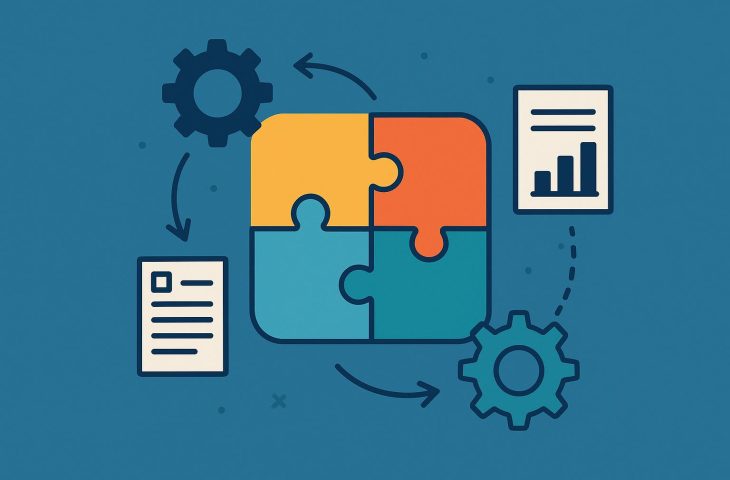
Collaboration is a way for teams to work together and contribute their expertise to drive innovation and solve complex problems in project management. The companies today are operating beyond boundaries with the team dispersed in different locations. Collaboration between the teams goes beyond teamwork. The project collaboration between the teams relies on effective communication and consistent processes. Good collaboration in the project is important to fluid teamwork.
Types of Collaboration
Collaboration in the projects can be of different types depending on the project type and the members involved.
Cross-departmental Collaboration
The scenario happens when the team members from different departments, like design, development and marketing, have to collaborate to complete one project.
Cross-organisational Collaboration
The collaboration is facilitated between the organisations when two expertise are needed to complete the client project.
Remote team Collaboration
If the companies are working on global projects, the organisations need to establish the right collaboration between the remote teams that work across different geographical locations to complete the project successfully.
How Effective can Collaboration be as a Cornerstone for Project Success?
Collaboration in the organisation is not spontaneous; it is established over time by building trust between the members. Identifying the diverse strengths of the teams is important for successful collaboration. Project managers need to deploy their strategies and tools at the right time to drive productivity in the collaborative work environment. The leaders who want to foster effective collaboration between the teams can consider enrolling in SAFe for Teams certification training to master the skills.
Access to Diverse Talents
Projects are too complex to be handled by a single person. Companies look beyond teamwork to share the workload. Effective collaboration between multiple teams helps the organisations leverage diverse skills of cross-functional teams to complete the project successfully. Collaboration between diverse teams fuels creativity in the project and brings fresh ideas to handle the complexities in the project. Organisations can easily handle the projects irrespective of their size when there is the right collaboration between the teams.
Enhance Problem-solving
Projects are prone to multiple challenges as they pass through execution. Collaboration in the organisation brings multiple minds together to handle the challenges in project management. Diverse teams approach the challenge from different angles and provide a holistic view of the problem by uncovering the blind spots. A collaborative environment fosters open discussion between the teams and shares the knowledge needed to solve the problem. After which, the team members evaluate their options and make informed decisions. Getting the complete picture of the problem helps the teams resolve it in an effective way at a faster pace.
Increase Employee Engagement
Collaboration in the organisation creates opportunities for employees to communicate their views and contribute their efforts towards organisational goals. In the collaborative work environment, the team members have to handle their share of the workload, and the team will know where their contributions are heading. They feel more valued and trusted and develop a sense of accountability for their work, which in turn leads to better engagement. Collaboration boosts their morale and helps them trust the team members when they accomplish the shared goal. The connection that collaboration builds between the team members encourages them to handle bigger projects.
Efficient Use of Resources
Optimal use of resources is very important in project management, especially while handling complex projects. A right collaboration between the teams helps them know the strengths of each other and delegate the tasks to the best-suited person. In this way, the organisations can use the skills of the workforce to their maximum potential. They can also fight back inefficiencies and prevent duplication of efforts, preventing delays in the project delivery.
Strengthened Cross-Department Relationships
The right collaboration between the teams in the organisation helps them achieve their shared goals faster. When the teams work together on a certain task, they develop a professional relationship and understand the roles and responsibilities of each other. The transparent communication fosters mutual respect between the teams and makes further collaboration more seamless.
Transparent Communication
Communication is the backbone of project management. Even effective collaboration in the organisation needs transparent communication. When different teams work on a project, they need to communicate with each other effectively to achieve shared goals. Collaboration between teams builds trust and encourages honest and transparent communication between team members. The teams working on the same project can easily rule out any disagreements and misunderstandings before they get escalated. Transparent communication due to collaboration builds a positive support environment and helps the teams to deliver projects without any delays.
Faster Task and Project Completion
Collaboration between the teams brings the right expertise to handle the projects successfully. It makes it easier for the organisations to deliver projects faster to the market, as each member of the team handles a specific task in completing the project. In a collaborative work environment, the team members can monitor the entire task and ensure no one falls behind. This work culture also helps the team members extend mutual support and complete the task for faster project delivery.
Conclusion
Collaboration between the teams and the individual members is the cornerstone of project success. Organisations that build an effective collaborative work environment can foster innovation and deliver projects to market at a faster pace. The collaboration between the teams helps the organisations to harness creativity and professional relationships between them and complete the project successfully.
Related posts

Business / by - ago
One Chuan Grove Faces Chuan Park Already 85 Percent Sold at $2,586 psf
Discover Luxury and Serenity at One Chuan Grove In the heart of Chuan Grove, One Chuan Grove stands as a testament to modern luxury and thoughtful design. This prestigious development,…

Business / by - ago
Sonic AI Explained: Legitimacy, TAG Markets Regulatory Warnings & Its Key Promoters
Sonic AI is presented through online promotional channels as a gold-trading opportunity in which customers can participate by following an established trading strategy using automated trade-copying technology. The arrangement brings…

Business / by - ago
Dr. Audrey Arona: Why Preventive Health Care Is Core to Public Health
Dr. Audrey Arona is an experienced OBGYN physician and public health executive who spent more than two decades in high-risk obstetrics and gynecology, including leading a private practice in Lawrenceville,…

Business / by - ago
Budget-Friendly Fitness: Creating Your Own Condo Home Gym
Home gyms have their benefits such as less costs because you don’t have to commute or drive to the gym and don’t have to pay for the fee or the…