


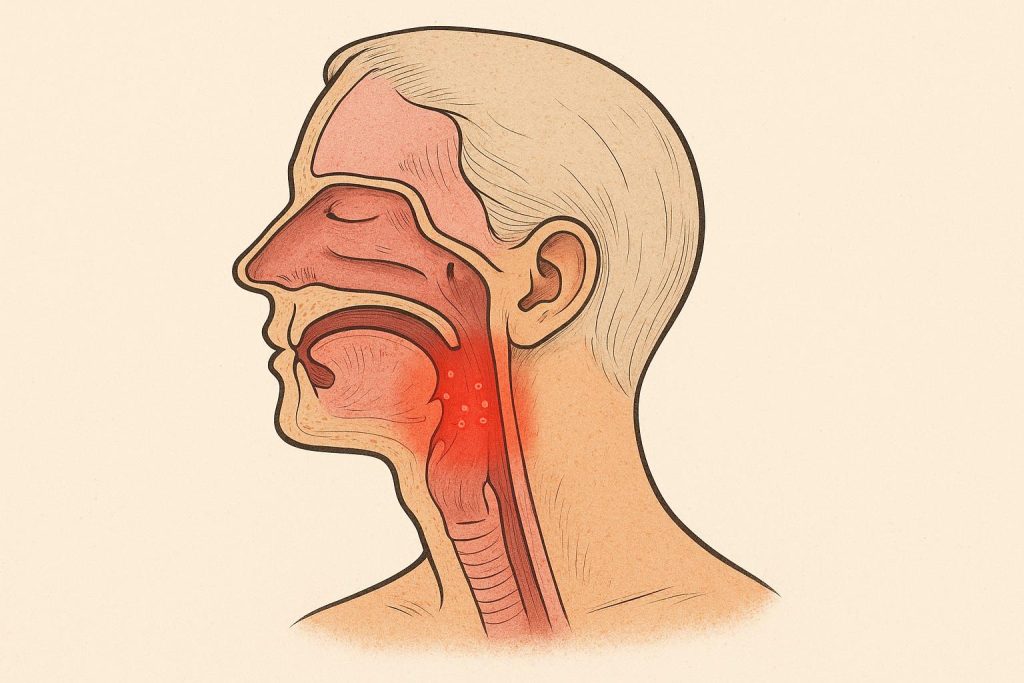
Most people experience a sore throat at some point, and in many cases, it resolves within a few days without medical intervention. Simple irritants, viral infections, or seasonal changes are common triggers. However, when a sore throat lasts longer than a week, recurs frequently, or is accompanied by other concerning symptoms, it can indicate underlying issues that require assessment. Persistent sore throat discomfort should not be overlooked, as early recognition can prevent complications and help maintain overall wellbeing.
Understanding persistent sore throat
A sore throat that does not improve over time can stem from various causes. Viral infections often linger, causing some discomfort for several days. Bacterial infections, including recurrent tonsillitis, can result in more intense pain and swelling. Allergies may lead to postnasal drip, which continuously irritates the throat. Gastro-oesophageal reflux can allow acid to reach the throat, causing chronic inflammation. Environmental irritants, smoking, and prolonged exposure to air conditioning may also contribute. In rare cases, persistent symptoms could signal throat or tonsil tumors, particularly in adults with recurrent discomfort.
Recognising patterns, severity, and accompanying symptoms helps guide when to seek evaluation. For ongoing issues, consulting a qualified otolaryngologist can provide a thorough assessment and appropriate management.
Tonsillitis and its potential complications
Tonsillitis is a common reason for ongoing throat pain. It involves inflammation of the tonsils, usually due to infection. While many cases are mild and resolve with rest and supportive care, repeated or severe infections can lead to complications. One of the most serious is quinsy, also called a peritonsillar abscess, which develops when pus collects beside the tonsil. This condition can become life-threatening if untreated, potentially obstructing the airway or spreading into deeper neck tissues.
Symptoms that may suggest quinsy include severe pain on one side of the throat, difficulty opening the mouth, muffled voice, drooling, or sudden worsening after an initial tonsillitis episode. In such situations, urgent medical care is required, which often involves drainage and antibiotics under professional supervision. Early recognition is important to avoid serious consequences.
Chronic tonsillitis and tonsil stones
Some people experience ongoing throat irritation because of chronic tonsillitis. Over time, debris such as food particles, dead cells, and bacteria can accumulate in the tonsillar crypts, forming tonsilloliths, or tonsil stones. These stones can cause persistent discomfort, bad breath, and the sensation of a lump in the throat.
Although small stones may be removed at home, their recurrence often indicates underlying chronic infection. In cases where conservative management is insufficient, surgical removal of the tonsils, or tonsillectomy, may be recommended. This is considered when:
- Infections occur frequently and affect daily life
- Quality of sleep or work performance is compromised
- Previous complications like quinsy have occurred
- Conservative measures have failed to provide relief
Tonsillectomy is a definitive solution for chronic tonsillitis and recurrent tonsil stones, and when performed, it can significantly improve quality of life.
Other causes of persistent sore throat
Beyond tonsillitis, there are several conditions that can contribute to ongoing throat discomfort. Postnasal drip caused by allergies or chronic sinus issues can irritate the throat, particularly at night or in dry indoor environments. Reflux of stomach acid, even in the absence of heartburn, can inflame the throat and lead to a chronic scratchy sensation. Environmental factors, including smoke, strong odors, and pollution, may worsen irritation. Lingering low-grade viral infections can also result in discomfort that persists longer than expected.
Adults with irregular meal patterns, late-night eating, or high exposure to environmental irritants may be more prone to prolonged throat irritation. Understanding the underlying cause is essential for effective management.
Screening for throat and tonsil tumors
Although uncommon, persistent or recurrent sore throat in adults should prompt consideration of throat or tonsil tumors. Early detection is crucial, as subtle symptoms can precede more serious disease. Red flags that should encourage prompt medical evaluation include:
- Symptoms lasting more than three or four weeks
- Pain or swelling confined to one side of the throat
- Voice changes that persist
- Difficulty swallowing or sensation of a lump
- Blood in saliva or phlegm
- Swollen lymph nodes in the neck
- Gradual enlargement of one tonsil
Screening may involve a combination of physical examination, flexible laryngoscopy, imaging, or biopsy performed by an experienced ENT specialist. Early evaluation ensures that any serious conditions are identified at a treatable stage.
How diagnosis is typically approached
When someone presents with a persistent sore throat, healthcare providers start with a detailed history. They may ask about the duration and pattern of symptoms, frequency of infections, lifestyle factors such as smoking or alcohol use, reflux symptoms, and allergy history. Observations about sleep, breathing patterns, and previous tonsil issues can also provide valuable clues.
A thorough physical examination usually follows. This may include inspection of the throat and tonsils, assessment of lymph nodes in the neck, checking for asymmetry or unusual growths, and evaluation of nasal passages and sinuses. When necessary, additional investigations such as throat swabs, blood tests, endoscopic examination, or imaging can help clarify the cause and guide appropriate treatment.
Treatment and management
Management of a persistent sore throat depends on the underlying cause. For bacterial tonsillitis, antibiotics may be prescribed along with pain relief and hydration, while viral infections are usually managed with supportive care. Tonsil stones can be addressed through improved oral hygiene, gargling, or ENT evaluation, with surgery considered in recurrent cases. Chronic tonsillitis may require tonsillectomy if symptoms are persistent or complicated.
Reflux-related throat irritation can often be improved with dietary changes, avoiding late meals, and medication when appropriate. Allergy-related throat discomfort may be relieved with antihistamines, nasal sprays, and allergen avoidance. Suspected tumors necessitate specialist evaluation, imaging, and biopsy when indicated.
The overarching goal is to treat the root cause, prevent complications, and improve overall comfort and daily functioning.
Recognizing urgent situations
Certain symptoms warrant immediate medical attention, including:
- Severe difficulty breathing or swallowing
- Sudden drooling or inability to swallow liquids
- High fever accompanied by intense throat pain
- Rapid swelling of the neck or throat
- Symptoms suggestive of quinsy such as trismus or muffled voice
- Persistent symptoms lasting beyond three to four weeks
Prompt recognition and intervention can prevent complications and ensure timely treatment.
Practical measures to reduce risk
Staying well-hydrated, maintaining good oral hygiene, limiting exposure to smoke and irritants, managing reflux through diet and lifestyle, and addressing allergies or sinus problems proactively can all help. Prompt attention to infections, adherence to medical advice, and avoidance of excessive self-manipulation of tonsil stones are also important steps.
Consistent care and attention to these factors can help prevent chronic irritation and recurring infections, improving comfort and wellbeing over the long term.
Understanding when a sore throat matters
Persistent throat discomfort should never be dismissed. While many cases resolve on their own, chronic or recurrent symptoms may point to complications from tonsillitis, the presence of tonsil stones, or in rare cases, early signs of tumors. Early evaluation by a healthcare professional can identify the underlying cause, prevent complications such as quinsy or deep neck infections, and guide appropriate treatment.
By being aware of the warning signs and seeking timely medical advice, individuals can protect their health, improve daily comfort, and prevent more serious complications.