


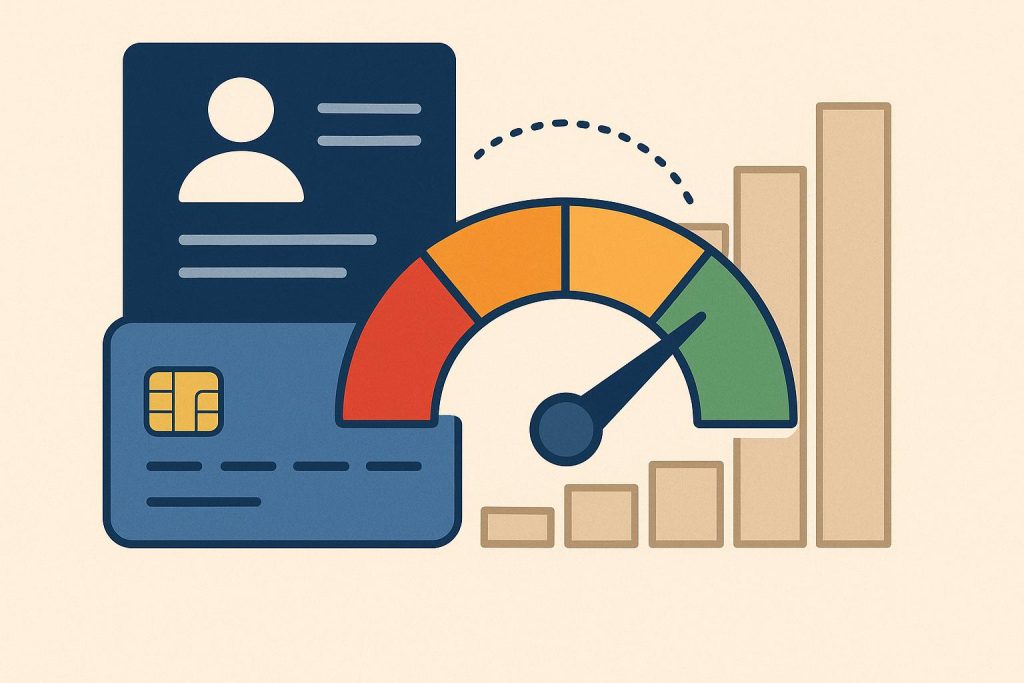
A Credit Card makes everyday payments simple, whether you are shopping online or paying bills. When you get one, it comes with a spending limit, which is the maximum amount you can use.
This limit is not random; banks look at a few basic details about your finances before deciding it. The idea is to set a limit that feels comfortable, so you can use your card easily and repay it without feeling stressed.
What is a Credit Card limit, and why does it matter?
A Credit Card limit is the total amount you can spend with your card. For example, if your limit is ₹40,000, you can spend up to that amount. Once you reach it, you need to repay some amount before you can use it again.
This limit helps you stay in control of your spending. It works like a guide, so you do not go beyond what you can manage. It also makes it easier to plan your expenses, since you already know how much you can use during the month. Over time, this can help you build better money habits without much effort.
How Credit Card limits are designed around your risk profile
Before setting your limit, banks try to understand how you handle money. They look at a few simple details to decide what amount would be easy for you to manage. This helps them offer a limit that gives you flexibility but also keeps your repayments comfortable.
Income and repayment capacity
Your income is one of the main things banks consider. It helps them understand how much you can repay every month. If your income is steady, you may be given a higher limit. If it is lower or not fixed, the limit may be kept smaller so that it remains easy to handle.
Usage pattern and card features
Over time, how you use your card also matters. If you use it regularly and pay your bills on time, your limit may increase. In some cases, you may also become eligible for added features, such as a Lounge Access Credit Card, depending on your income and spending habits.
Credit history and past behaviour
If you have used credit before, banks look at how you managed it. Paying your dues on time shows that you are careful with credit. This can help you get a better limit. If you are new, the limit usually starts small and may increase as you build a good repayment record.
Existing loans and financial commitments
Banks also check if you already have loans or EMIs. If a part of your income is going towards these, your limit may be adjusted. This helps make sure you are not taking on too much at once and can manage all your payments comfortably.
How to use your Credit Card limit wisely
Using your Credit Card in a simple and balanced way can make things much easier. You do not have to use the full limit every time. It is better to spend only what you know you can repay without difficulty.
Make it a habit to pay your dues on time every month, as it also helps to check your statements regularly so you know where your money is going. When you stay aware of your spending, it becomes easier to manage your card without any confusion or stress.
Conclusion
Credit Card limits are set after looking at your financial profile and repayment ability. They are designed to match what you can handle comfortably.
When you understand how this works and use your card carefully, it becomes easier to stay in control and manage your finances in a smooth and simple way.