


Repairs can often seem daunting, but with the right approach, you can tackle projects that will enhance your home’s longevity and value. In 2026, focus on durable solutions that ensure your living space remains comfortable and functional for years to come. This guide provides you with imperative DIY home repair strategies that not only save you money but also empower you to take charge of your living environment. Get ready to transform your home with practical skills that stand the test of time.
Essential Tools for Home Repairs
For any DIY enthusiast, having the right tools at your disposal is key to success. A well-equipped toolkit will not only streamline your home repair projects but also enhance your confidence in tackling new challenges. Whether it’s a simple fix or a significant upgrade, investing in important tools will help you achieve long-lasting results and make future repairs easier.
Must-Have Tools for DIY Projects
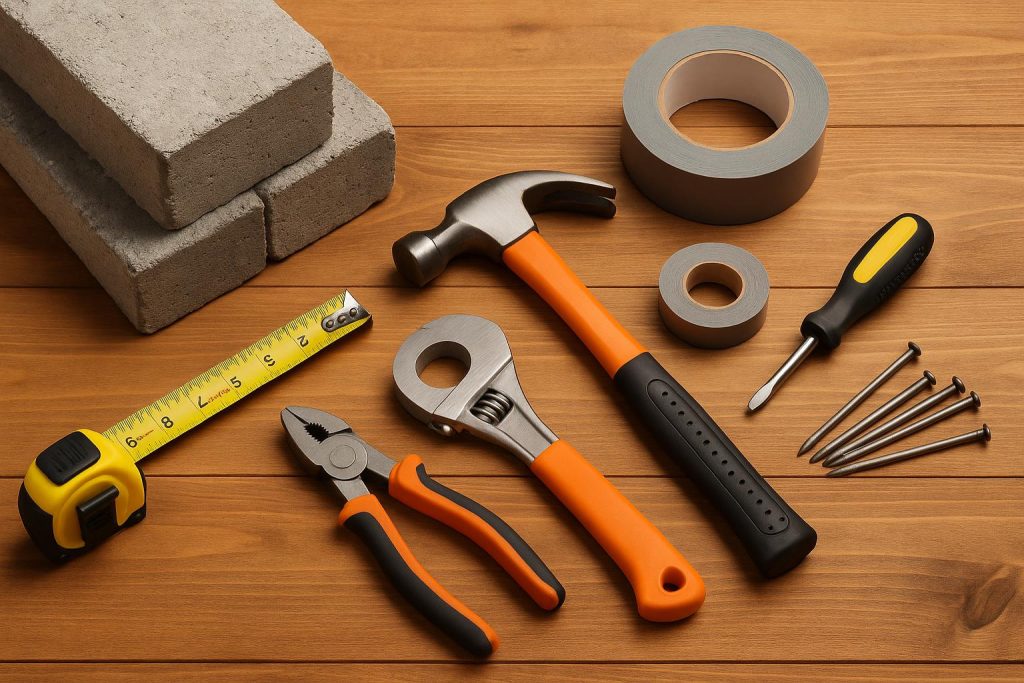
One of the first steps in preparing for your DIY endeavors is gathering the must-have tools. Start with basics such as a hammer, screwdrivers, pliers, and a reliable measuring tape. These importants will form the foundation of your toolkit and enable you to handle a variety of common household repairs with ease at Vela Bay.
Investing in Quality Equipment
Home improvement projects can often be daunting, but equipping yourself with quality tools makes a world of difference. Investing in dependable brands ensures longevity and enhances your overall project experience. Higher-quality tools not only perform better but also provide safety and comfort during use, making them worthwhile additions to your home repair arsenal.
Equipment that is well-made can save you time and hassle down the line. When you choose higher-quality tools, you’re less likely to encounter breakage or malfunction during critical moments, which can derail your projects. A sturdy toolbox filled with reliable equipment will give you peace of mind, empowering you to tackle tasks efficiently and effectively. Think of your tools as long-term investments in your home—wise choices today lead to smoother repairs tomorrow at Thomson View.
Fundamental DIY Repairs
The ability to tackle fundamental DIY repairs in your home can save you time and money, ensuring your space remains functional and appealing. These skills not only empower you as a homeowner but also provide long-lasting solutions that enhance the overall value of your property. Mastering these basics will prepare you for 2026 and beyond, as you keep your home in optimal condition with ease.
Fixing Leaky Faucets
One of the most common home annoyances is a leaky faucet, and fixing it is an easy DIY task. You can stop wasting water and eliminate the irritating drip by learning to replace washers or O-rings. With minimal tools and a little guidance, you’ll not only restore functionality but also conserve resources while doing your part for the environment.
Patching Drywall Like a Pro
About handling those unsightly holes and imperfections in your walls, patching drywall is a skill that can instantly elevate your interior’s look. By applying the right materials and techniques, you can seamlessly blend the patches with the surrounding wall, making it nearly undetectable. This skill is crucial for maintaining the aesthetics of your home.
Hence, patching drywall requires preparation and precision. Start by selecting a quality patching compound, and be sure to have sandpaper, a putty knife, and primer paint handy. After cleaning the area around the hole, apply a generous amount of the compound, smoothing it over the surface. Allow it to dry thoroughly before sanding to create a smooth finish. This method ensures you achieve a professional-looking repair, making your walls look flawless and well-maintained. Following these steps can help you maintain your home’s appearance and durability for years to come.
Upgrading Home Energy Efficiency
Any homeowner looking to enhance their living space while saving on energy costs should prioritize upgrading home energy efficiency. Implementing sustainable practices not only reduces utility bills but also minimizes your carbon footprint. Taking the time to make these improvements in 2026 can significantly increase the longevity and value of your home.
Sealing Windows and Doors
Between cracks, gaps, and poor-fitting frames, windows and doors can significantly impact your home’s energy efficiency. Sealing these areas with weather-resistant materials can prevent drafts and keep your space comfortable year-round. By investing time in this simple DIY task, you can enhance the overall coziness of your home while saving on heating and cooling costs.
Insulating Attics and Crawl Spaces
Insulating these often-overlooked areas of your home is important for maintaining a comfortable temperature and reducing energy bills. Proper insulation minimizes heat loss during winter months and keeps your home cooler in the summer, allowing your HVAC system to work more efficiently.
Crawl spaces can be a significant source of energy loss if left uninsulated. By adding insulation in these areas, you create a barrier against temperature fluctuations while protecting your home from moisture and potential mold issues. Take the time to insulate your attic and crawl spaces, and you’ll notice a more stable indoor climate and substantial savings on your energy bills.
Long-Lasting Flooring Solutions
Now is the perfect time to consider flooring options that will endure the test of time. Choosing the right materials and installation methods will contribute to a resilient and beautiful space. With advancements in technology, you can secure flooring that not only looks great but is also easy to maintain, ensuring your home remains stylish and practical for years to come.
Choosing Durable Materials
Long-lasting flooring starts with selecting the right materials. Look for options like porcelain tile, engineered hardwood, or luxury vinyl planks that provide both aesthetic appeal and outstanding performance. These materials are designed to withstand wear and tear, making them ideal for high-traffic areas in your home.
DIY Installation Tips
Below are some imperative tips for a successful DIY flooring project:
- Prepare your subfloor properly to ensure a smooth installation.
- Follow the manufacturer’s guidelines for acclimatizing your flooring materials.
- Use quality tools to achieve precise cuts and fitting.
- Consider installing in smaller sections for easier handling.
Knowing these tips will greatly enhance your DIY experience and lead to impressive results in your flooring project.
Durable flooring installation can be achieved with some careful planning and effort. Be sure to measure your space accurately before you start and pay attention to how the flooring interacts with your existing decor. Choose the right adhesives and underlays based on the material type, and take time to let everything settle appropriately. Here are additional tips to consider:
- Use spacers to maintain consistent gaps for expansion.
- Trim any excess material after installation for a polished finish.
- Seal edges properly to prevent water damage.
- Regularly inspect and maintain your floors for long-lasting durability.
Knowing these installation best practices will set you up for success, ensuring your floors remain strong and vibrant for years to come.
Outdoor DIY Projects for Longevity
Unlike many temporary fixes, outdoor DIY projects can provide lasting benefits with proper planning and execution. By investing time and resources into durable materials and sustainable designs, you can create functional spaces that enhance your home’s value and enjoyment for years to come. Prioritizing longevity in your outdoor improvements ensures that you spend less time on repairs and more time enjoying your outdoor oasis.
Building a Sustainable Deck
For a deck that complements your lifestyle while enduring the elements, consider using recycled or composite materials. These options not only minimize maintenance but also resist warping and rotting, allowing you to enjoy your outdoor space year after year. Proper design, including proper drainage and ventilation, will further enhance longevity and ensure your deck remains a centerpiece for outdoor gatherings.
Maintaining Your Roof and Gutters
On a home, your roof and gutters play an necessary role in protecting against water damage and other outdoor elements. Regular maintenance is vital to ensure their functionality and longevity. By conducting routine inspections and addressing potential issues, you can extend the lifespan of these critical components.
Due to the roof’s exposure to harsh weather conditions, regular inspections should include checking for missing shingles, leaks, or sagging areas. Additionally, cleaning your gutters ensures proper drainage, preventing water from pooling and possibly damaging your roof or siding. You’ll want to clear out debris and leaves at least twice a year, especially before and after heavy storms, to maintain optimal performance and protect your investment in your home.
Common Mistakes to Avoid
Despite your best intentions, DIY home repairs often come with pitfalls that can diminish the quality of your work. By being aware of these common mistakes, you can ensure that your projects not only turn out well but also stand the test of time. Taking the time to understand what to avoid will ultimately save you time, money, and frustration down the line.
Overlooking Prep Work
Across many DIY projects, preparation is the key to success. Neglecting to gather all the necessary tools and materials or failing to properly assess the work area can lead to complications and errors during the repair process. Taking the time to plan and prepare will set a strong foundation for your project.
Ignoring Safety Precautions
About halfway through your project, it’s easy to become complacent about safety measures. Many DIYers skip protective gear or overlook device safety instructions, which can lead to unfortunate accidents. Taking the time to prioritize your safety will ensure that your project progresses smoothly and without injury.
For instance, always wear appropriate safety gear like goggles, gloves, and masks when tackling projects that involve dust, chemicals, or tools. Familiarize yourself with the necessary precautions for each tool or material you’ll be using. Having a first-aid kit on hand and working in a well-ventilated area can also significantly reduce the risk of injury. By valuing your safety, you’ll not only protect yourself but also increase your confidence as you take on more complex DIY tasks.
Summing up
Considering all points, investing your time and effort into DIY home repairs that are projected to endure through 2026 will save you money and enhance your living space. By focusing on quality materials, reliable techniques, and timeless designs, you can ensure that your repairs withstand the tests of time and wear. Always prioritize learning best practices and seek resources that can guide you effectively. With the right approach, your home can become a well-maintained and resilient sanctuary that reflects your personal style and meets the demands of modern living.