


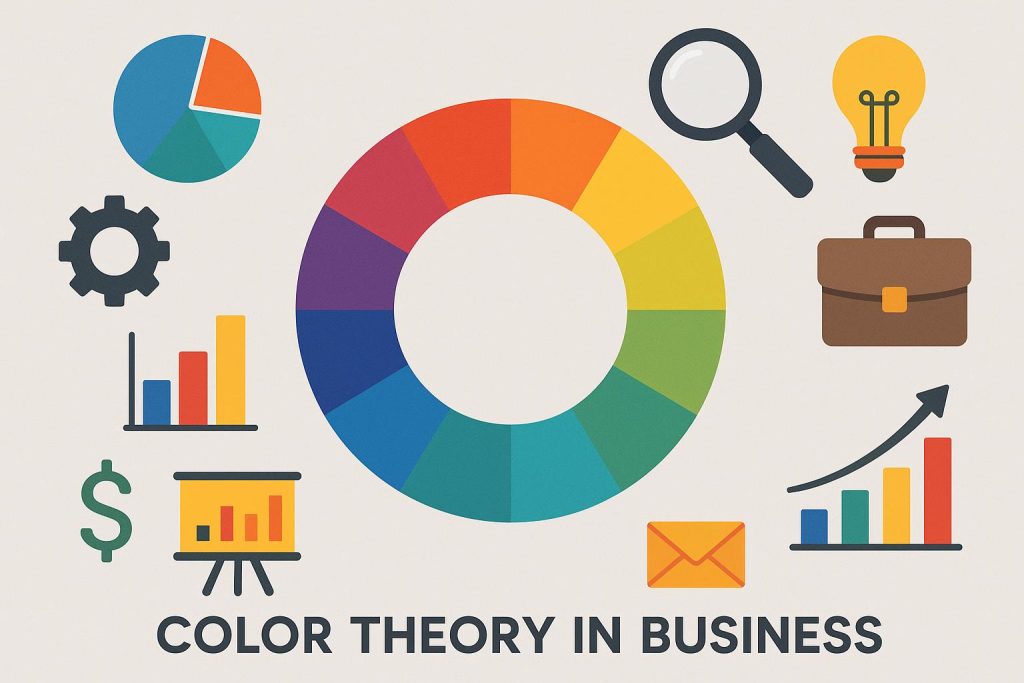
Color theory in work clouts the psychology of colors to create brand recognition, influence customer behavior, and evoke specific emotional responses. Want to know how it affects businesses? Read on to discover more about how colors can play a significant role when brainstorming ideas in your work from home setup at Thomson Reserve. It’s important to note that colors have numerous meanings and interpretations based on the person viewing them, and these are just some of the most common.
Key Color Associations
Red: passion, energy, urgency.
Blue: relaxation, security, trust.
Yellow: optimism, hope, excitement.
Green: harmony, balance, nature.
Orange: health, vitality, encouragement.
Purple: nobility, royalty, ambition.
Pink: sweet, inspirational, compassionate.
Brown: natural, conservative, longevity.
Black: formal, luxury, power.
White: simplicity, purity, cleanliness, rebirth.
Logos and Branding
The color you choose can reflect your product’s personality and overall brand identity. Colors must coordinate with the core values of a company to succeed. Persistent consistency of colors has a massive effect and makes the logo more recognizable and distinguishable.
Marketing
Colors have an effect on what you think, act, and see. For example, high color contrasts indicate energy, warmth, and optimism. While low contrast colors signify relaxation, security, and trust. Each color can evoke varying feelings and these can be used advantageously.
Cultural Meanings
Colors carry varying meanings worldwide. For instance, the color white could mean spirituality, virginity, and purity, while other cultures mark the color as a symbol of rebirth or mourning. Adapting by careful selection leverages the brand in international markets and global businesses. If handled too carelessly, it can create significant confusion among consumers worldwide.
Competitive Edge
Analyzing and strategizing various color usages allows businesses to choose colors that differentiates a brand apart from others while still maintaining its original associations. Many brands evaluate competitors to select their own unique colors to be distinct from rivals.