Box Build Assembly: Complete Guide to Processes, Benefits, and Applications
by ago0
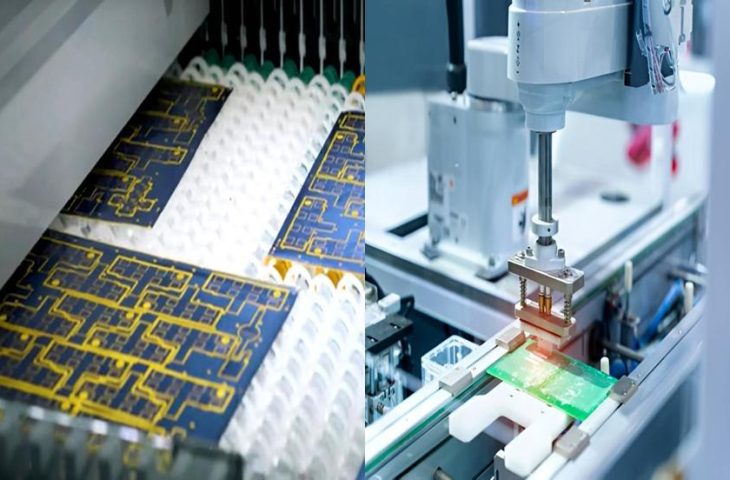
Box build assembly is a comprehensive manufacturing solution that integrates multiple electronic and mechanical components into a complete, ready-to-use product. It goes beyond traditional PCB assembly by combining circuit boards, wiring, enclosures, and sub-assemblies into a finished system. As industries demand faster production, higher quality, and turnkey solutions, box build assembly has become a critical part of modern electronics manufacturing.
What Is Box Build Assembly?
Box build assembly refers to the full-system assembly process where all components of an electronic product are integrated into a single enclosure or housing. This includes printed circuit boards, cables, connectors, mechanical parts, displays, power supplies, and custom enclosures. Unlike standalone PCB manufacturing, box build assembly delivers a fully functional product that is ready for deployment.
In many industries, box build assembly reduces the complexity of managing multiple suppliers. By outsourcing the complete system integration to a single manufacturer, companies can streamline production and improve quality control.
Core Components of Box Build Assembly
Box build assembly involves multiple elements that work together to create a finished electronic product. These include PCB assemblies, wiring harnesses, connectors, mechanical frames, enclosures, and firmware or software integration. The ability to combine electrical and mechanical components makes box build assembly a versatile solution for complex electronic systems.
Key Processes in Box Build Assembly
System Design and Engineering
The box build assembly process begins with system-level design and engineering. Manufacturers analyze product requirements, mechanical design, electrical schematics, and component specifications to ensure seamless integration.
PCB Integration
PCB integration is a critical step in box build assembly. Assembled circuit boards are installed into the enclosure and connected to other components. Proper layout and mounting techniques ensure reliability and performance.
Cable and Harness Assembly
Wiring and cable harnesses are assembled and routed within the enclosure. This step is essential in box build assembly to ensure efficient signal transmission and power distribution.
Mechanical Assembly
Mechanical parts such as brackets, frames, and housings are assembled to provide structural support. Precision in mechanical assembly ensures durability and protection of internal components.
Testing and Quality Control
Comprehensive testing is performed during box build assembly, including functional testing, electrical testing, and environmental testing. These quality checks ensure that the final product meets industry standards and customer requirements.
Final Packaging and Delivery
After successful testing, the product is packaged and prepared for shipment. This completes the box build assembly process, delivering a fully integrated system.
Advantages of Box Build Assembly
Box build assembly offers significant advantages for manufacturers and product developers. It simplifies supply chain management by reducing the number of vendors. Faster production cycles and improved coordination lead to reduced time-to-market. Enhanced quality control is another key benefit, as a single provider manages the entire assembly process.
Additionally, box build assembly allows customization based on specific application requirements. Whether for low-volume prototypes or high-volume production, box build assembly provides flexibility and scalability.
Applications of Box Build Assembly
Box build assembly is widely used across various industries. In telecommunications, it supports network equipment and communication systems. In automotive electronics, it integrates control units and infotainment systems. Medical devices, industrial automation systems, consumer electronics, and aerospace applications also rely on box build assembly for complete product manufacturing.
Challenges and Considerations in Box Build Assembly
Despite its benefits, box build assembly requires careful planning and coordination. Challenges include component compatibility, thermal management, mechanical tolerances, and compliance with regulatory standards. Effective design collaboration and rigorous testing are essential to overcome these challenges and ensure reliable box build assembly outcomes.
Future Outlook of Box Build Assembly
The future of box build assembly is driven by increasing demand for turnkey manufacturing solutions. Advancements in automation, smart manufacturing, and modular design are shaping the evolution of box build assembly. As products become more complex, box build assembly will continue to play a vital role in delivering integrated and high-performance electronic systems.
Conclusion
Box build assembly is a strategic solution for companies seeking complete system integration and efficient manufacturing. By choosing professional manufacturing partners, businesses can achieve higher quality, faster production, and optimized costs. If you are looking for reliable and scalable solutions for complex electronic products, partnering with expert PCB assembly services ensures seamless box build assembly, advanced quality control, and end-to-end manufacturing support tailored to your requirements.
Related posts
Technology / by - ago
Discover the DIY Home Repairs That Will Stand the Test of Time in 2026
Repairs can often seem daunting, but with the right approach, you can tackle projects that will enhance your home’s longevity and value. In 2026, focus on durable solutions that ensure…

Technology / by - ago
Essential Features of Wiseplay DRM: Complete Protection Guide
In today’s demanding streaming environment, digital content protection calls for sophisticated solutions that strike a balance between security along with user experience. The wiseplay drm is an all-encompassing security technology…

Technology / by - ago
The Benefits of a Multi-Monitor Setup
Having a multi-monitor setup can help with productivity, especially if you are good at doing several things at once. It gives you extra screens related to the work you are…

Technology / by - ago
Capture the Essence of 2025 with the Latest Home Design Trends
Many homeowners are eager to embrace the home design trends that will define 2025, as these innovations shape the way you experience and enjoy your living spaces. From sustainable materials…